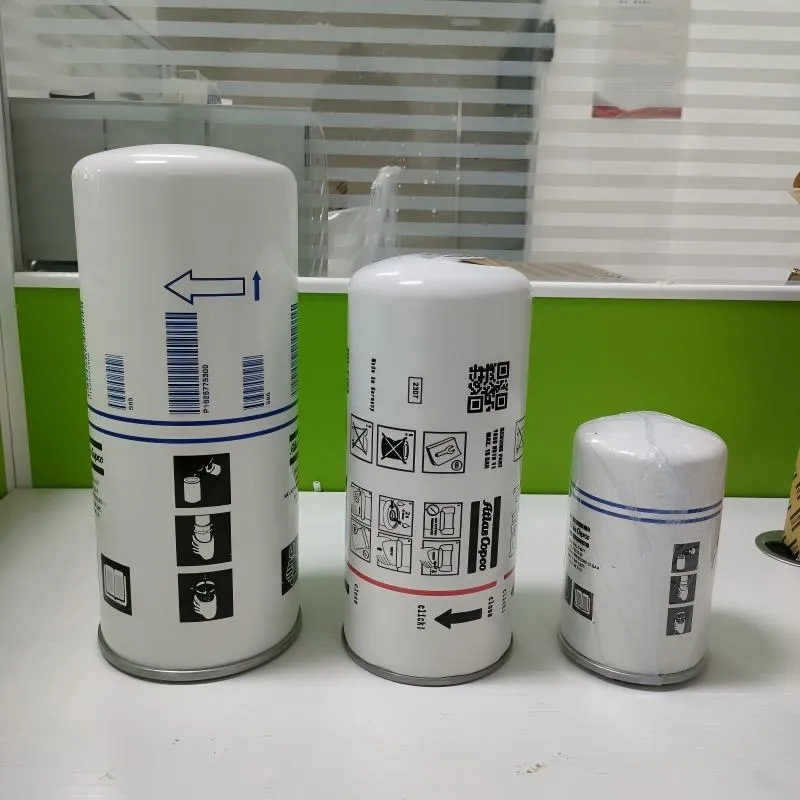
In modern industrial production, air compressors are the core equipment providing compressed air power. Their operating status directly impacts the efficiency and stability of the entire production system. The air compressor oil filter, the "kidney" that ensures the proper functioning of the air compressor's lubrication system, bears the crucial responsibility of filtering impurities, metal wear debris, carbides, and other contaminants from the lubricating oil. However, in actual operation, air compressor oil filters are prone to clogging due to factors such as long-term use, improper maintenance, or harsh environments. This can trigger a series of chain reactions and cause serious damage to the equipment.
Direct Impacts of a Clogged Air Compressor Oil Filter
The most direct consequence of a clogged air compressor oil filter is obstructed lubricant flow, leading to malfunction of the lubrication system. This can manifest itself in the following ways:
1. A sudden drop in lubricant flow and increased component wear
When the air compressor oil filter element becomes clogged with impurities, the area through which the lubricant can pass is significantly reduced, significantly reducing flow. An air compressor's main rotor, bearings, gears, and other key moving parts require sufficient lubricating oil for both lubrication and cooling. Insufficient oil flow results in incomplete oil film formation, leading to direct metal-to-metal contact and dry or semi-dry friction.
2. Rapidly rising oil temperatures accelerate lubricant aging.
Lubricating oil not only lubricates during circulation but also removes heat. A clogged air compressor oil filter reduces lubricating oil circulation efficiency and heat dissipation capacity. Furthermore, heat generated by increased friction cannot be removed promptly, causing the oil temperature to rise rapidly. Under normal circumstances, the operating temperature of an air compressor's lubricating oil should be controlled between 70°C and 90°C. However, a clogged air compressor oil filter can cause the oil temperature to soar above 100°C. High temperatures accelerate lubricating oil oxidation and deterioration, forming sludge and carbon deposits, which further clog the oil circuits and create a vicious cycle.
3. Abnormal oil pressure fluctuations and frequent system protection activation.
To monitor the operating status of the lubrication system, air compressors are typically equipped with oil pressure sensors and protective devices. In the early stages of a clogged air compressor oil filter, oil pressure will increase abnormally due to increased flow resistance. As the clog worsens, the oil pump may struggle to draw oil, causing a sharp drop in oil pressure. This drastic fluctuation in oil pressure can trigger the air compressor's protective devices, causing frequent equipment shutdowns.
Indirect Harms of a Clogged Air Compressor Oil Filter
In addition to directly affecting the lubrication system, a clogged air compressor oil filter can also trigger a series of chain reactions, indirectly damaging other air compressor systems:
1. Shortened Oil-Air Separator Life and Excessive Oil Content in Compressed Air
The air compressor's lubricating oil system and compressed air system are connected via the oil-air separator. A clogged air compressor oil filter disrupts lubricating oil circulation, leading to abnormal oil flow at the oil-air separator inlet and increased oil droplet size, exceeding the separator's separation capacity. This not only increases the load on the oil-air separator's filter element, shortening its life by over 50%, but also causes large amounts of lubricating oil to enter the compressed air system, causing the outlet compressed air's oil content to exceed the specified limit.
2. Increased cooling system load and significant energy consumption.
The increased oil temperature caused by a clogged air compressor oil filter significantly increases the load on the compressor's cooling system (including air or water cooling). To control the temperature, the cooling fan or water pump must run at full capacity for extended periods, significantly increasing the compressor's power consumption.
3. Control system failure and reduced equipment reliability.
Modern air compressors generally use sophisticated electronic control systems that monitor and adjust parameters such as temperature and pressure in real time. Abnormal oil temperature and pressure caused by a clogged air compressor oil filter can distort sensor data and cause the control system to issue erroneous commands. For example, excessively high oil temperature may be misinterpreted as excessively high ambient temperature, leading to an inaccurate reduction in the load factor. Fluctuations in oil pressure may also cause the control system to frequently adjust the unloading valve, resulting in unstable air pressure.
Conclusion
As a critical component of the air compressor lubrication system, the condition of the air compressor oil filter directly affects the equipment's reliability, energy efficiency, and service life. A seemingly minor clogged problem can lead to a range of serious consequences, from increased component wear and increased energy consumption to system failure. Therefore, it is necessary to attach great importance to the maintenance of air compressor oil filters. Through scientific management systems, standardized maintenance operations and effective condition monitoring, the occurrence of blockage problems can be prevented. At the same time, when signs of blockage appear, correct measures should be taken in time to deal with them to avoid the escalation of the fault.